Emotional Spending · เครียดแล้วซื้อของ · เกิดขึ้นในสมองยังไง
ภาพนี้คุ้นๆ ไหม?
- 22:00 · Deadline พรุ่งนี้เช้า · เครียดหนัก
- เปิด IG · เห็น ad Shopee
- 22:15 · Cart 5 อัน · ยังไม่ได้เข้านอน
- 22:30 · Confirm order 2,800 บาท · รู้สึกดีขึ้นเล็กน้อย
- วันถัดมา · ของมาถึง · ไม่รู้ทำไมซื้อ
นี่คือ Emotional Spending
บทความนี้จะอธิบาย:
- Emotional spending คืออะไร · ต่างจาก planned purchase ยังไง
- เกิดขึ้นในสมองอย่างไร (neuroscience simple)
- 5 triggers หลัก
- 5 วิธีจัดการที่ได้ผลจริง (based on cognitive-behavioral research)
💡 TL;DR Emotional spending = ใช้เงินเพื่อ regulate อารมณ์ (ไม่ใช่เพื่อสิ่งของจริง) · สมองปล่อย dopamine ตอนซื้อ · แต่ high สั้น · แก้ด้วย awareness · 24-hour rule · alternative coping · environmental design
Emotional Spending คืออะไร?
Definition: การใช้เงินเพื่อ regulate emotions (จัดการอารมณ์) · ไม่ใช่เพื่อสิ่งของหรือ utility จริง
ต่างจาก Planned Purchase:
| Planned | Emotional | |
|---|---|---|
| Trigger | Need identified | Feeling triggered |
| Timing | Considered · researched | Immediate · impulsive |
| Motive | Utility · function | Emotion regulation |
| Post-purchase | Satisfaction | Regret · guilt |
ตัวอย่าง
Planned: "รองเท้าวิ่งเก่าแตก → research 2 อาทิตย์ → ซื้อรุ่นที่ตรง need · 3,500 บาท"
Emotional: "เครียดจากงาน → เปิด Lazada → เห็น sale → ซื้อรองเท้าใหม่ 3 คู่ · 6,000 บาท (ไม่ต้องการ)"
เกิดขึ้นในสมองยังไง
The Dopamine Loop
- Anticipation (ก่อนซื้อ) → dopamine ปล่อย · เกิด craving
- Purchase (ตอน click confirm) → dopamine spike · รู้สึกดี
- Post-purchase crash → dopamine ลด · เดี๋ยวก็ลุ้นครั้งใหม่
Key insight: dopamine ปล่อยตอน anticipation · ไม่ใช่ตอน possession · แสดงว่า "อยากซื้อ" รู้สึกดีกว่า "ได้ของแล้ว"
ทำไมของถึงไม่ทำให้มีความสุข
Hedonic adaptation: มนุษย์ปรับตัวกับความสุขจากของใหม่อย่างรวดเร็ว
- ซื้อ iPhone ใหม่ · dopamine spike 2-3 วัน
- 1 สัปดาห์หลัง · เป็น "โทรศัพท์ปกติ"
- 1 เดือนหลัง · ต้องการ upgrade ครั้งใหม่
Result: "อยากได้อีก" · ไม่รู้จบ
The Amazon Effect
One-click purchase ตัด "friction" ระหว่าง impulse และการซื้อ:
- 2000s · ต้องไปห้าง · เดิน · ลอง · เลือก · จ่าย → 30 นาที cooling off
- 2025 · เปิดแอป · เห็น · click · 5 วิ → ไม่มี cooling off
Amazon Shopee Lazada · optimize เพื่อ reduce friction · ทำให้ emotional spending ง่ายขึ้น
5 Triggers ที่พบบ่อย
Trigger 1 · Stress · เครียด
Mechanism: Cortisol (stress hormone) สูง · สมองต้องการ dopamine ทัน · shopping = quick dopamine hit
พบใน:
- Deadline หนัก
- Conflict กับคนใกล้ตัว
- Financial stress (ironic · ยิ่งเครียดเรื่องเงิน · ยิ่งใช้เงิน)
Trigger 2 · Sadness · เศร้า
Mechanism: Serotonin ต่ำ · brain seeks quick fix · impulsive buying provides temporary boost
พบใน:
- Break up
- Rejection (งาน · ความสัมพันธ์)
- Loneliness
"Retail therapy" = coping mechanism ที่ well-documented
Trigger 3 · Boredom · เบื่อ
Mechanism: Dopamine ต่ำ · brain seeks stimulation · scrolling + shopping = artificial stimulation
พบใน:
- นอนดึก · ไม่มีอะไรทำ
- Weekend คนเดียว
- Waiting (รอคิว · รอเพื่อน)
Trigger 4 · Excitement · ตื่นเต้น
Mechanism: High mood · reduced inhibition · "reward myself" thinking
พบใน:
- ได้โบนัส
- Promotion
- Deal เสร็จ
- วันเงินเดือนเข้า
"Reward mentality" · ใช้ทุก positive event เป็นเหตุผลใช้เงิน
Trigger 5 · Social pressure · เห็นคนอื่น
Mechanism: Social comparison + FOMO · brain interprets "everyone has it" as "I need it"
พบใน:
- IG story · เพื่อนไปเที่ยว
- TikTok trend · viral product
- KOL/Influencer recommendation
- Peer purchase (เพื่อนซื้อ · เราต้องมี)
5 วิธีจัดการ · Evidence-based
1. Awareness · Journal ก่อนซื้อ
Rule: ก่อน purchase เกิน 500 บาท · เขียน 3 ข้อ:
- อารมณ์ตอนนี้ (1-word: stressed · sad · bored · excited · lonely · anxious)
- ต้องการสิ่งนี้ใน 1 เดือนหน้าไหม?
- ถ้าอารมณ์เป็น neutral · ยังจะซื้อไหม?
Result: 60-70% ของครั้ง · realized ว่า emotional · ไม่ซื้อ
Research: Zero-price effect (Ariely & Shampanier, 2007) · การเขียนก่อนซื้อ ทำให้ decision-making ดีขึ้น 40%
2. 24-hour rule · Time-based cooling
Rule: ของเกิน 1,000 บาท · เก็บใน cart · รอ 24 ชั่วโมง
Rule extended:
- 5,000+ · รอ 3 วัน
- 20,000+ · รอ 1 สัปดาห์
- 50,000+ · รอ 1 เดือน
เหตุผล: Emotional peak หายใน 24 ชั่วโมง · ตัดสินใจจาก rational brain แทน
Research: Delay discounting (Ainslie, 1975) · การรอ significantly reduce impulse buying
3. Alternative Coping Skills · Substitute the behavior
สำคัญ: อย่าแค่ห้าม · replace ด้วยพฤติกรรมอื่น
ตัวอย่าง alternatives:
สำหรับ stress:
- 10 นาที exercise (walking · yoga)
- ทำอาหาร (mindful task)
- โทรหาเพื่อน
- Deep breathing (4-7-8 method)
สำหรับ sadness:
- Journaling · เขียนความรู้สึก
- ดูหนัง/ซีรีส์ที่โปรด (existing subscription · ไม่ต้องซื้อใหม่)
- Cry it out (research shows crying releases stress hormones)
สำหรับ boredom:
- Read book (จากที่มีอยู่)
- Learn new skill (YouTube · free courses)
- Nature (park · walk)
สำหรับ excitement (celebration):
- Cook special meal at home
- Invite friends · make it social (cost split)
- Journal about achievement (savor without spending)
Key: regulate emotion โดยไม่ใช้เงิน
4. Environmental Design · Reduce triggers
เปลี่ยน environment เพื่อลด temptations:
Delete apps:
- Shopee · Lazada · Amazon
- (Reinstall เมื่อต้องซื้อจริง · friction ช่วย)
Unsubscribe emails:
- Marketing emails · deals · promotions
- Use Unroll.me หรือ manual unsubscribe
Curate social media:
- Unfollow accounts ที่ trigger spending
- Follow accounts about frugality · minimalism · financial independence
Payment friction:
- ไม่เก็บ credit card ใน app (ต้องพิมพ์ทุกครั้ง)
- ไม่ enable Apple Pay / Google Pay
- ปิด one-click purchase
5. Financial Buffer · Emergency fund
Ironic finding: คนที่มี emergency fund · emotional spending น้อยลง
เหตุผล:
- Financial stress ต่ำลง → cortisol ต่ำลง → craving ลด
- ไม่รู้สึก "โลกไม่ยุติธรรม" → ไม่ต้อง treat ตัวเอง
Target: 3-6 เดือน ของค่าใช้จ่าย เก็บใน savings account (แยกจาก daily banking)
Red flags · เมื่อไหร่ต้องขอความช่วยเหลือ
Emotional spending ที่เข้าข่าย compulsive buying disorder (CBD):
- ซื้อของแล้ว ไม่เคยใช้ (ยัง tag อยู่)
- ซ่อนการซื้อจากคนใกล้ตัว
- ใช้เงินเกิน paycheck · ต้องกู้ต่อ
- Impact ต่อความสัมพันธ์ · งาน · ชีวิต
- ไม่สามารถหยุดได้แม้พยายาม
ถ้า resonate 3+ ข้อ · แนะนำปรึกษา:
- นักจิตวิทยา / therapist (specialty: CBT for behavioral addiction)
- Financial therapist
- Support group
In Thailand:
- สมาคมจิตแพทย์แห่งประเทศไทย · list of qualified therapists
- HelloBetter · online therapy
- iSTRONG · mental health platform
The bigger picture · Money and emotion
Emotional spending ไม่ใช่ character flaw · เป็น coping mechanism ปกติในสังคมที่:
- Optimized เพื่อ consumption
- Social media pressure สูง
- Instant gratification available
- Mental health support limited
Awareness แรก · แล้วค่อย change
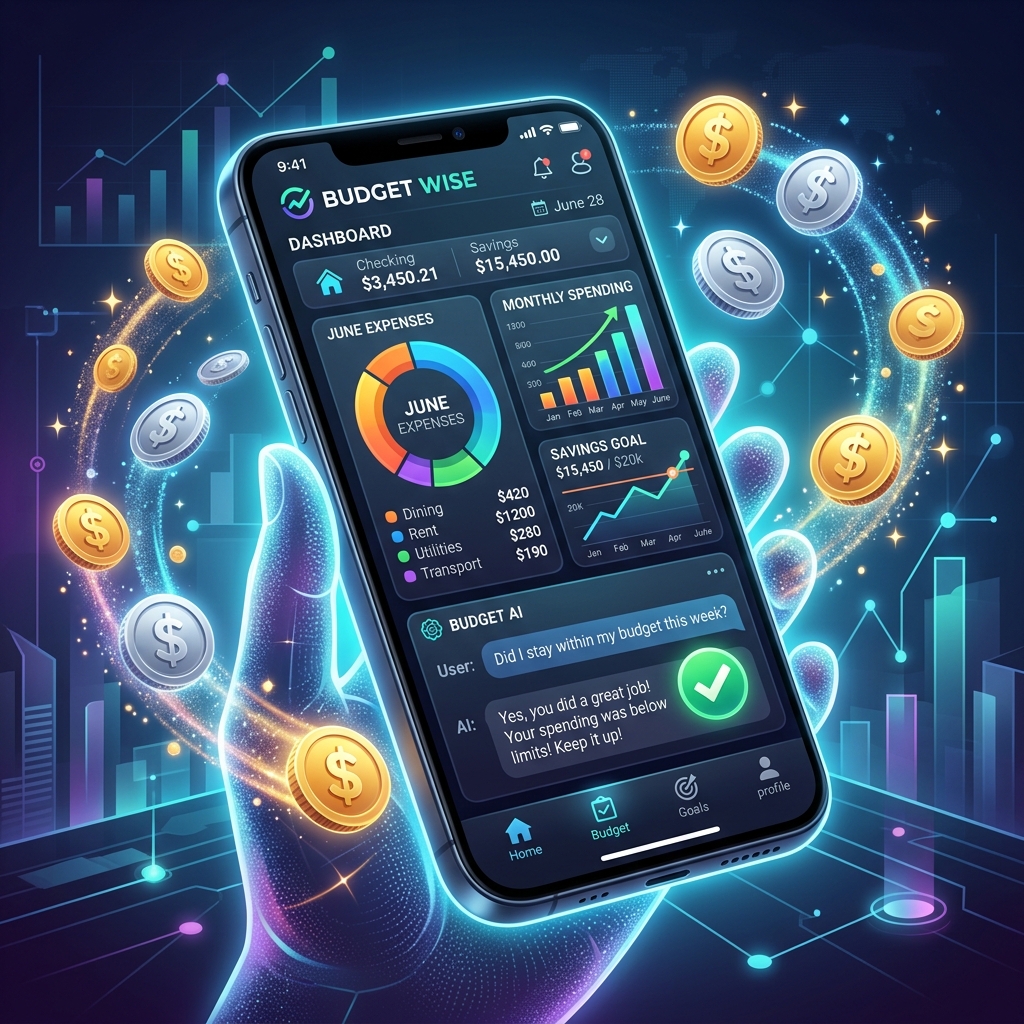
การ track ค่าใช้จ่าย + emotion (เช่น note ใน TangJai หลังทุก purchase) จะเห็น pattern:
- "ทุกวันจันทร์เช้า · ซื้อของบ่อย" → work stress
- "หลัง call ยาก · shopping" → emotional dysregulation
- "เห็น IG story · impulse buy" → social comparison
Pattern awareness = starting point of change
Action plan · 7-day challenge
Day 1-2: Track ทุก purchase · note emotion (stressed · bored · excited · neutral)
Day 3-4: Implement journal rule (3 questions before purchase 500+)
Day 5: Delete 1 shopping app · unsubscribe 3 marketing emails
Day 6: Identify top trigger · plan 3 alternative coping mechanisms
Day 7: Reflect · どんな emotion driven most spending?
Extended: Track for 30 days · pattern จะชัดขึ้น
สรุป
Emotional spending = ใช้เงินเพื่อ regulate emotion · ไม่ใช่ character flaw · เป็น neurological response ที่พบทั่วไป
Awareness > Willpower:
- Journal ก่อนซื้อ · เชื่อมโยง emotion กับ purchase
- 24-hour rule · ให้ rational brain ทำงาน
- Alternative coping · replace behavior
- Environmental design · reduce triggers
- Financial buffer · reduce underlying stress
ถ้ารู้สึกไม่สามารถหยุดได้ · ปรึกษา therapist · ไม่ต้องรอให้ severe
🎯 เริ่มจากการ track · เห็น pattern อารมณ์ที่เกี่ยวกับเงิน
TangJai · จดค่าใช้จ่าย + note emotion ใน 5 วิ · ผ่าน LINE · ฟรี